THANK YOU FOR SUBSCRIBING

Network Infrastructure Mag Weekly Brief
Be first to read the latest tech news, Industry Leader's Insights, and CIO interviews of medium and large infrastructures exclusively from Network Infrastructure Mag
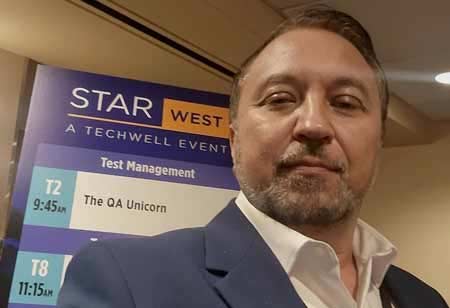
 Elvis Chong, Vice President Networking, Bursa Malaysia
Many enterprises have come across the problem of disjunction from high-level architecture design down to operational-level support. In many circumstances, the business requirement drove the rapid architecture changes, cloud adoption, and SDWAN are the best examples in recent years. Due to the business investment and project timeliness, the integration works could carry out swiftly with overwhelming project activities, which led to multiple enterprise network team couldn’t to withstand the rapid changes, miscommunication, and arguments between the network towers happens subsequently.
In many large enterprises, the networking space usually has a very clear demarcation. Where architects plan for the technology roadmap, engineering design how's tech should implement on day zero, the delivery team implements the changes on day one, and operations carry out the 24/7 support from day two onwards. However, the new technology evolution urges the architect to bring in new tech without details knowledge of existing legacy Infra, engineering team is focused on integrating the new tech with little concern of how the support team could understand the new traffic flow. Same time, the operation support team has limited time to understand the new integrated tech with little involvement from the project, in consideration of compliance with mission-critical business 24/7 support policies, the Ops team is obligated to accept and support the new Infra upon project completion.
“Successful and seamless integration stem from effective communication, no matter from a machine or a human being.”
A few conflicts emerge from such a vicious circle.
1. With a little consideration of the low-level setup, the new tech integration following the industry best practices might not fit certain legacy setups. Which could prolong parallel infra and increase business investment.
2. The engineering & delivery could implement the new tech at speed to meet the project timeline. Things could go bad whenever existing Infra could not fit with best practices, a “cowboy” type of re-engineer work could happen.
3. It is challenging to document every little low-level change on the project handover document for operation support. With the limited implementation knowledge from the operation team, a lot of troubleshooting could refer back to the team who implemented the new tech. It causes the tech handover to stagnant between teams.
Regularly communicating between teams is the key to addressing the above-mentioned. Each team should have an L3 technical person who will verse on their domain. And everyone should regularly meet and discuss the new tech integration in the project’s early stages. Many concerns and challenges can be resolved once the teams have concurred in the same direction.
Every team plays an equally important role in the whole Networking ecosystem. Successful and seamless integration stem from effective communication, no matter from a machine or a human being. Therefore, let's reconnect back each network team, more regularly.
Read Also